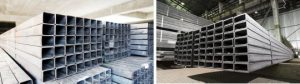
Steel hollow sections have emerged as a critical component in modern industrial applications due to their unique structural properties and versatility. These sections, which are typically characterized by their hollow tubular shapes, offer a combination of strength, durability, and lightweight characteristics. As industries evolve and seek innovative materials that can withstand demanding environments while maintaining efficiency, the use of steel hollow sections becomes more prevalent. This article delves into the characteristics that define steel hollow sections, explores their application across key industries, evaluates the advantages they bring to construction, and discusses future trends in their adoption.
Understanding Steel Hollow Sections and Their Characteristics
Steel hollow sections are structural steel shapes that come in various forms, including square, rectangular, and circular tubes. These sections are created by welding or forming steel plates into tubular shapes, offering a high strength-to-weight ratio. One of the defining characteristics of steel hollow sections is their ability to withstand axial loads, making them ideal for construction and structural applications. Their uniform shape provides stability and allows for better load distribution, which is crucial in engineering and design.
Moreover, steel hollow sections exhibit excellent resistance to torsion, making them suitable for a wide array of applications. Their hollow nature reduces the overall weight of structures, thereby minimizing material costs and enhancing transport efficiency. Additionally, these sections can be easily fabricated, welded, and integrated into various designs, providing flexibility for architects and engineers. The corrosion resistance of steel hollow sections can be further enhanced through galvanization or coating, which significantly extends their service life.

Key Industries Utilizing Steel Hollow Sections Effectively
The versatility of steel hollow sections has led to their widespread adoption across various industries, including construction, automotive, and manufacturing. In the construction sector, they are used in structural frameworks, bridges, and building supports due to their strength and lightweight properties. Steel hollow sections provide architects with innovative design solutions, enabling the creation of open spaces with fewer columns and supports. This design flexibility is particularly beneficial in high-rise buildings and commercial projects where aesthetics and functionality are paramount.
In the automotive industry, steel hollow sections are increasingly utilized in the production of vehicle frames and chassis. Their lightweight nature contributes to enhanced fuel efficiency, while their strength ensures safety and durability. Similarly, the manufacturing sector employs steel hollow sections in machinery and equipment, where they offer structural integrity without excessive weight. The adaptability of these sections allows manufacturers to optimize their production processes and improve overall performance across various applications.
Advantages of Using Steel Hollow Sections in Construction
One of the primary advantages of using steel hollow sections in construction is their exceptional strength-to-weight ratio, which allows for more efficient designs and reduced material usage. This characteristic not only lowers the overall weight of structures but also decreases the amount of raw materials required during fabrication, leading to cost savings. Additionally, the hollow design aids in thermal insulation and can provide acoustic benefits, making it a favorable choice for residential and commercial buildings alike.
Another significant benefit is the environmental impact associated with steel hollow sections. These materials are often recyclable, which contributes to sustainability efforts within the construction industry. Furthermore, advancements in steel production and treatment processes have enhanced the durability and lifespan of these sections, reducing the frequency of replacements and repairs. The combination of these factors makes steel hollow sections an ideal choice for modern construction projects focused on sustainability and efficiency.
Future Trends in the Adoption of Steel Hollow Sections
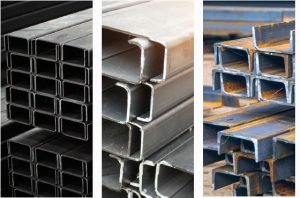
Looking ahead, the adoption of steel hollow sections is anticipated to grow, driven by innovations in both design and manufacturing techniques. As building codes and regulations evolve, the demand for materials that offer superior performance under various environmental conditions will increase. Engineers and architects are increasingly recognizing the benefits of using steel hollow sections in addressing challenges such as seismic activity, extreme weather, and energy efficiency. This recognition is likely to spur further research and development focused on enhancing the properties of these materials.
Additionally, the integration of smart technologies and sustainable practices in construction is expected to influence the future use of steel hollow sections. The incorporation of smart sensors, for instance, can provide real-time monitoring of structural integrity, leading to improved safety and maintenance protocols. With an increasing emphasis on sustainable building practices, steel hollow sections will likely play a pivotal role in promoting eco-friendly designs and reducing the carbon footprint of construction projects. As industries continue to innovate, the versatile applications of steel hollow sections will remain relevant and essential.
In summary, steel hollow sections are integral to a wide range of industrial applications due to their strength, durability, and lightweight characteristics. Their effective use in key industries like construction and automotive highlights their versatility and adaptability. As the construction landscape evolves with a focus on sustainability and innovation, the advantages of steel hollow sections will continue to drive their adoption. Future trends suggest a growing emphasis on enhancing their performance through technology and sustainable practices, reinforcing the pivotal role these materials will play in shaping modern infrastructure.